
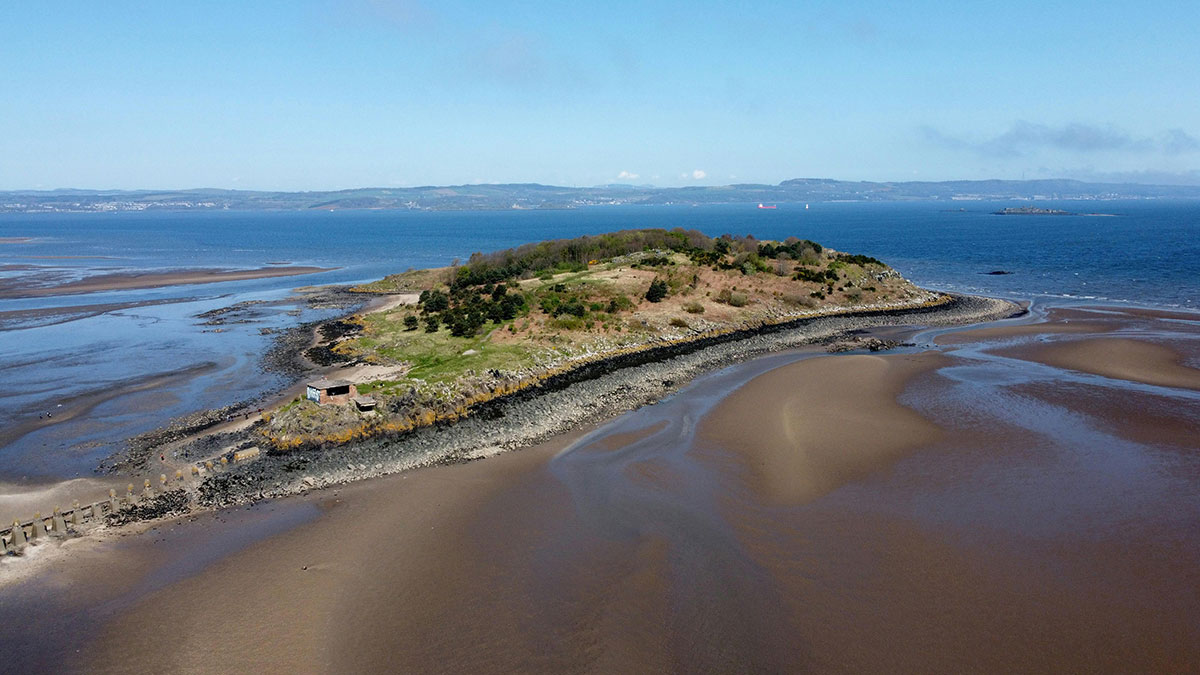
The Firth of Forth, stretching from the cityscape of Edinburgh to the wide open North Sea, is one of Scotland’s most important marine environments. Its complex mix of estuaries, mudflats, rocky shores, and deeper waters supports a huge range of species including seabirds and seals, crabs, fish, and iconic shellfish like lobsters and native oysters.
Despite its richness, the Firth faces a growing number of environmental pressures. Centuries of industrial activity, ongoing urban development, marine traffic, and more recently, the effects of climate change have all left their mark. Rising sea temperatures, habitat loss, pollution, and ocean acidification are some of the biggest threats now facing this delicate ecosystem.
The Firth is not only crucial for wildlife, it is deeply important for people too. Coastal communities have long depended on its waters for their livelihoods, with fishing and tourism forming the backbone of local economies. For many, the Forth is also a place of recreation and reflection: from beachcombing and birdwatching to kayaking and coastal walks, it plays a vital role in supporting mental health and wellbeing. Its historic connection runs deep — for generations, families have lived, worked, and shaped their lives around this stretch of coastline, forming a bond with the sea that continues today.
European lobsters (Homarus gammarus) are an important part of the Firth’s marine life. They play a key role in the coastal food web and support valuable small-scale fisheries. However, changes in water quality, habitat degradation, and climate-driven shifts in the marine environment can impact their breeding grounds and nursery habitats, posing long-term challenges for their populations.
Native oysters (Ostrea edulis), once abundant in the Forth, have suffered even more severely. Historic loss due to past overharvesting pushed them to the brink of extinction in the area. As natural reef builders and powerful water filters, native oysters are critical to healthy marine ecosystems. They create rich habitats for countless other species and help improve water quality.
Today, efforts to restore oyster populations and support resilient lobster stocks are vital to securing the future of the Firth of Forth. The Forth Marine Hatchery is working to establish the first oyster hatchery on Scotland’s east coast, streamlining efforts to restore native oysters. It will also build on the fantastic legacy of the Firth of Forth Lobster Hatchery, continuing vital work to boost European lobster stocks and safeguard these iconic shellfish for generations to come.
To support our work please donate. We convert every donation into real on the ground environmental impact.
It’s quick, secure, and every contribution matters.